By Your Friendly Firearm Enthusiast - October 2023
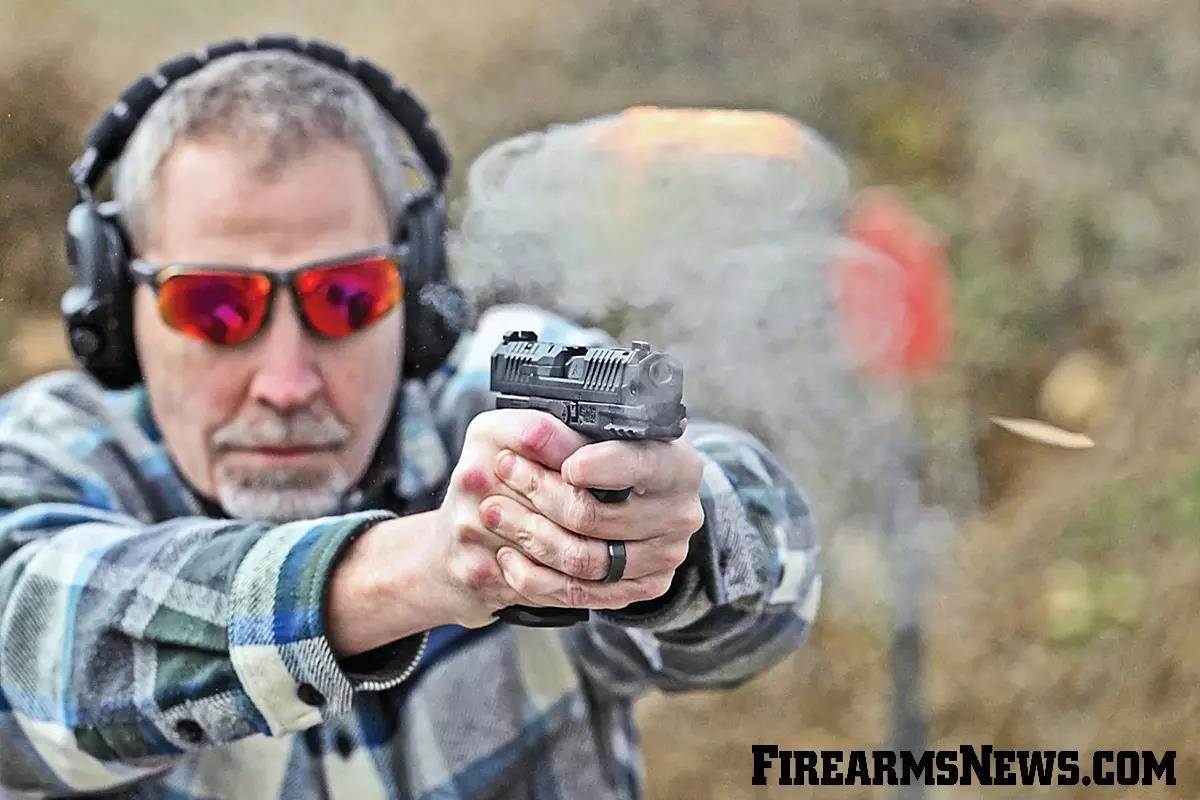
Hey there, fellow firearm aficionados! Today, we're diving into a hot topic in the world of concealed carry: compensators and ported barrels. Why have these pieces of gear become so popular among shooters, and do they really belong on your everyday carry (EDC) pistol? Let’s break it down in a way that’s easy to digest.
What Are Compensators and Ported Barrels?
First things first, let’s talk about what we mean when we say “compensator” or “ported barrel.” Essentially, these features are designed to reduce recoil and muzzle rise when you fire your gun. A compensator works by redirecting gases that exit the barrel after firing, while a ported barrel has vents that accomplish a similar effect. Both can help improve your shooting accuracy and speed—something every shooter can appreciate!
Why the Popularity Surge?
You might be wondering why everyone seems to be jumping on the compensator bandwagon lately. Well, it’s all about performance! For those of us who enjoy spending time at the range or even competing, having a pistol that handles well can make all the difference. Less recoil means quicker follow-up shots and more consistent accuracy—who wouldn’t want that?
Should You Add One to Your Carry Gun?
This is where things get a bit more personal. Adding a compensator to your EDC pistol isn’t just about performance; it’s also about comfort and your specific shooting style. Some shooters swear by them, while others find them unnecessary on a defensive gun. If you’re someone who practices regularly and wants to enhance your shooting experience, it could be worth considering. Just keep in mind that not all defensive situations call for the same setup!
What About the Drawbacks?
Of course, no gear is perfect! Compensators can add weight and bulk to your firearm, which might not be ideal for everyday carry. Plus, they could potentially affect holster compatibility. It’s essential to weigh the pros and cons based on how you plan to use your pistol.
In Conclusion
So, do you need a compensator on your defensive pistol? The answer depends on your personal preferences and shooting habits. If you're aiming for improved control and lighter recoil during practice sessions—and you're comfortable with the added weight—then go for it! Just remember that every shooter is unique, so find what works best for you.