By Your Friendly Gun Guru - October 2023
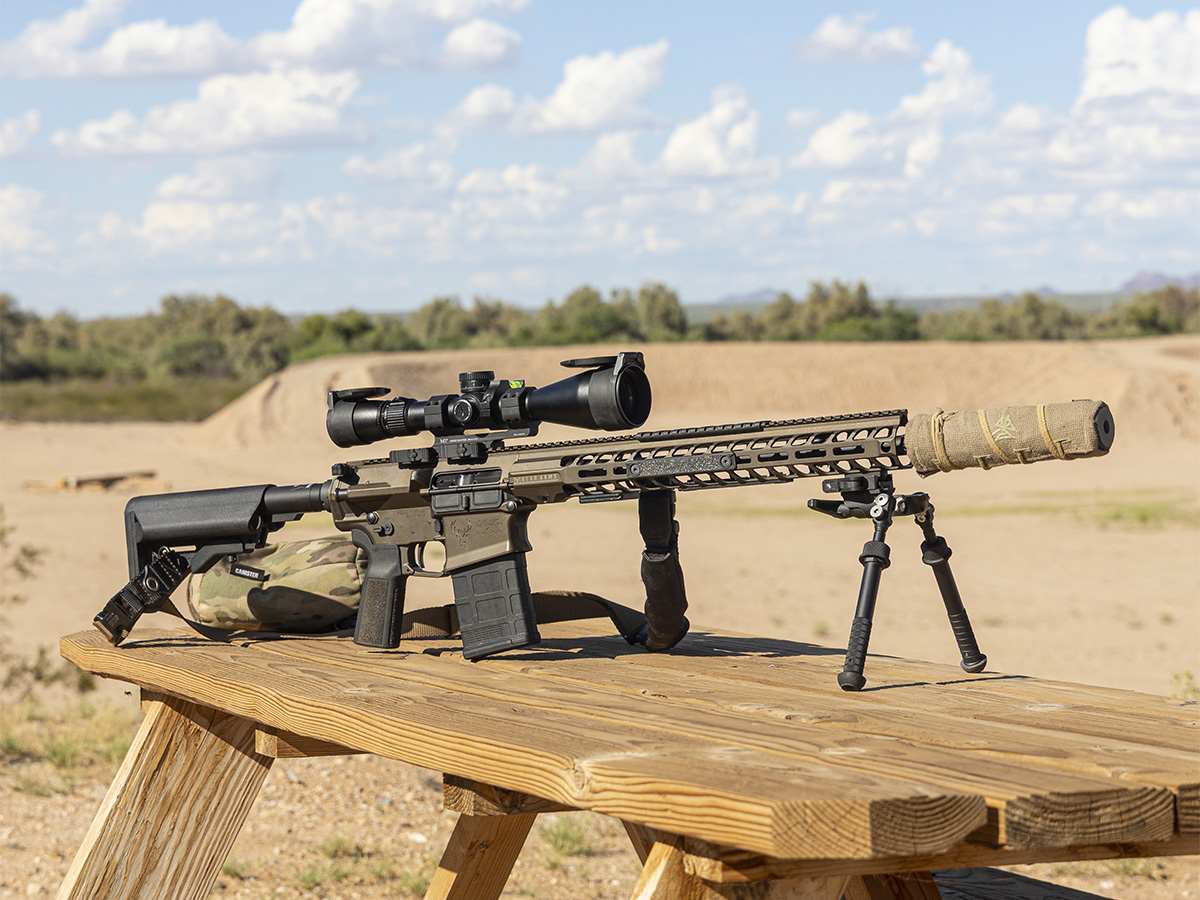
Hey there, fellow firearm enthusiast! If you’ve recently added a suppressor to your trusty AR-10 chambered in .308, you might have noticed that while it sounds cool, getting it to run smoothly can sometimes be a bit tricky. No worries—today we’re diving into how to troubleshoot your suppressed AR to keep those rounds flying true and quiet.
Understanding the Basics of Suppression
First off, let’s chat about what happens when you throw on that can. Suppressors can change the dynamics of how your rifle operates. They can affect gas flow and pressure—which are crucial for reliable cycling. It’s not just a matter of slapping it on and calling it a day!
Common Issues You Might Encounter
If your AR is experiencing failures to eject or feed after adding a suppressor, don’t panic! This is pretty common. One main culprit could be the increased back pressure from the suppressor. This might lead to short-stroking or failure to cycle entirely.
Adjusting Your Gas System
One of the best ways to tackle these issues is by adjusting your gas block. If you have a gas-adjustable block, try tuning it down slightly to see if that helps manage the pressure better. If you're running a standard gas block, consider upgrading to an adjustable one for more flexibility.
Ammunition Matters
Your choice of ammunition can also play a significant role in reliability. Subsonic rounds are great for keeping things quiet but may not generate enough power to cycle reliably in all setups. Experimenting with different brands and weights can help you find the perfect match for your setup.
Conclusion: Keep Calm and Tweak On
Remember, troubleshooting is part of the process! With some adjustments and maybe a little trial and error with ammo types and gas settings, you’ll have your suppressed AR running like a dream in no time. Enjoy those stealthy outings!
The post Troubleshooting Your Suppressed AR-10 appeared first on Gun Digest.